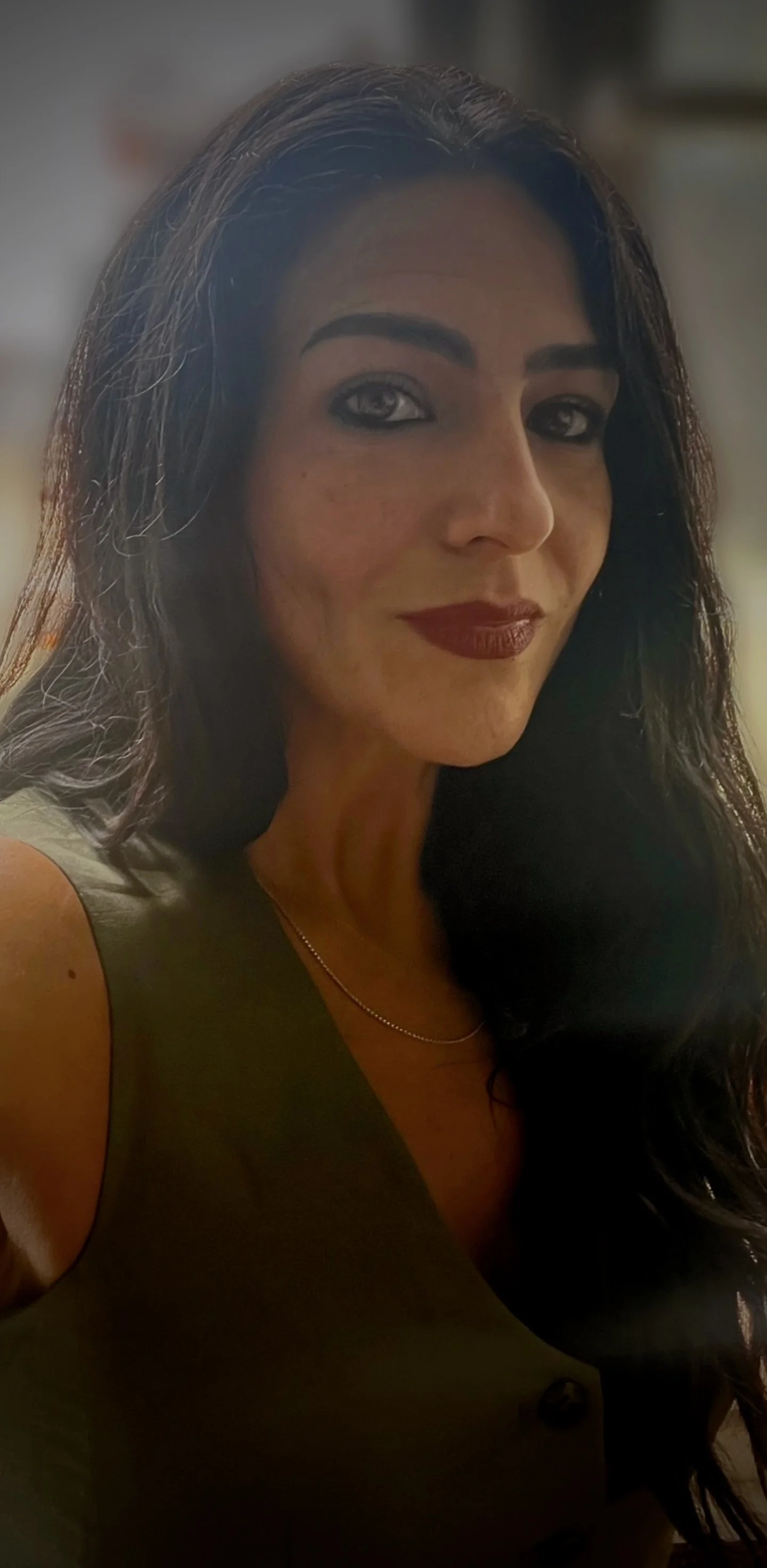
Dr. Dana Kline
Licensed Clinical Psychologist (PSY36181) California Board of Psychology
I received my PhD in Clinical Psychology and my Masters Degree in Counseling Psychology, both with an emphasis in Depth Psychology, from Pacifica Graduate Institute. My Bachelor of Arts in Creative Writing with a minor in Poetry fostered a lasting sensitivity to the subtleties of language informing a quality of attunement that continues to shape my work as a psychologist. With 13 years of clinical experience, I have provided individual, couples, group, and family psychotherapy across private practice, community mental health centers, residential, in/outpatient programs, and charter school settings. Specialized populations have included working with retired NFL athletes, creative professionals, adults in transitional life stages, and marginalized communities.
I hold a certificate in Jungian Studies in Clinical Practice from my pre-doctoral training at the C.G. Jung Institute in Los Angeles and post-doctoral education in psychoanalytic theory at the Wright Institute Los Angeles. In addition to providing psychotherapy, I served as program director for four years overseeing comprehensive individualized psychodynamic and behavioral treatment planning for acute and chronic psychological disorders in intensive outpatient care for adolescents and young adults.
Working with children, adolescents, and adults from diverse backgrounds and life experiences has deepened my developmental approach to psychotherapy, which I now bring to my work with adult individuals and couples. I am relationally focused in my psychodynamic, psychoanalytic orientation, therefore I listen to how deep-rooted beliefs, current dilemmas in daily life, socio-cultural influences, histories, relationship narratives and emotional responses are communicating through the expression of psychological symptoms that encompass both interpersonal and intrapsychic processes.
In my listening practice, my attention is multi-directional. I follow and inquire about how the sensitivities of being, seeing, coping, desiring, rejecting and assuming are formed and impacted by a range of factors. I attend to the imprints of inherited implicit and explicit terror and doubt, following the feelings and languages of communication that arise around experiences of control, and its absence. Following the language of the unconscious is not only limited to the inner life of dreams, but is a continual communication speaking through bodily symptoms, words and gestures. This includes what lives within the gaps of what is not being said, as an open field to host a spectrum of emotions constellated within the therapeutic dyad. Such disclosures allow for making contact with one’s personal histories in the present tense. When this process starts to ignite, the things that are carried from family histories and systemic violence can start to have a place to land, and to understand.
My style is collaborative, patient, direct, and serves to confront inner conflicts, compromises, defenses, and newfound gifts — which often takes time. Discovering one’s inner resource of creativity through dream analysis and expressive arts practices can be some of the gifts that may emerge in the therapeutic process when arriving at an impasse that can feel otherwise impossible to embrace. In this shared discovery, beginning to notice internal reactions without fusing with them can be challenging, and with the possibility that this is within reach.
Together, we will look more carefully at what is already known or named, while also exploring what has remained outside of awareness or acceptance. Often relational ruptures that have betrayed the basic need for epistemic trust are able to be felt and experienced in a new way under the unique conditions that shape the therapeutic space.
I am a member of the American Psychological Association (APA) and its Division 39 - Society for Psychoanalysis and Psychoanalytic Psychology.